Anion Gap Calculator With Serum Chloride
How the Anion Gap Evaluates
This anion gap is a practical way to estimate acid-base balance from common electrolytes reported in a standard lab test. It can indicate whether there are additional ions in the blood that may point to an acid-base disorder, especially metabolic acidosis. An Anion Gap Calculator uses serum values such as serum sodium, serum chloride, and serum bicarbonate to perform a quick calculation and aid interpretation of the result.
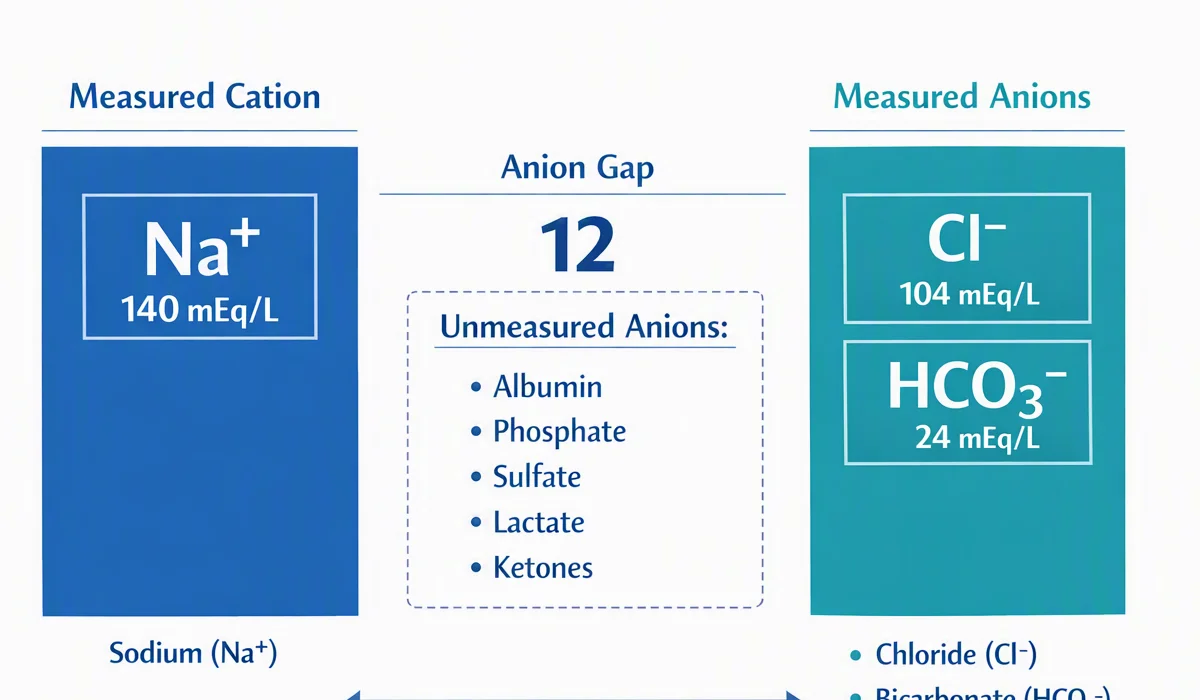
The idea behind the anion gap is easy to understand: sodium is the main measured positive charge, while chloride and bicarbonate are the main measured negative charges. The gap between them provides a helpful clue about the body’s acid-base status. A elevated gap can suggest the presence of unmeasured acids, while a reduced result may reflect shifts in albumin, chloride, or other factors.
In clinical practice, the anion gap is not used alone. It is part of a larger evaluation that includes symptoms, the complete electrolyte panel, kidney function, and sometimes a blood gas. Even so, it remains a fast screening tool because it can indicate a likely cause of an abnormal result and guide further assessment.
How to Calculate Anion Gap with Serum Chloride
The most common way to determine the anion gap is to rely on serum sodium, serum chloride, and serum bicarbonate. This simple formula relies on the lab measurement of these three serum values:
Anion gap = Serum sodium − (Serum chloride + Serum bicarbonate)
For example, if serum sodium is 140 mEq/L, serum chloride is 102 mEq/L, and serum bicarbonate is 24 mEq/L, the calculation is 140 − (102 + 24) = 14 mEq/L. The outcome can then be compared with the laboratory’s reference range and interpreted in context.
Chloride is important because it is one of the two main values subtracted from sodium. A higher chloride level lowers the calculated gap, while a reduced chloride level raises it. That means the same sodium and bicarbonate values can produce a very different result depending on chloride. This is why a careful measurement of chloride is essential for reliable interpretation.
The calculator can also be used as a supportive diagnostic tool when evaluating possible metabolic acidosis or other electrolyte-related concerns. If the number is outside the expected normal range, the next step is to consider the clinical picture, the pattern of other electrolytes, and whether repeat testing is needed.
Anion Gap Equation and Common Variations
https://anion-gap-estimator605.fotosdefrases.com/anion-gap-calculator-how-to-read-blood-chemistry-resultsThe usual anion gap formula is useful in many settings, but there are several variations that can alter the result. Some labs use potassium in the formula:
Anion gap = Serum sodium + Potassium − (Serum chloride + Serum bicarbonate)
Since potassium is typically present in a much smaller level than sodium, many doctors omit it for clarity. However, knowing the variation matters because it can gently influence the interpretation of a borderline result.
Another major adjustment is albumin correction. Albumin is a negatively loaded protein that helps determine the normal anion gap. When albumin is low, the measured gap may appear artificially normal or low even if there is an underlying acid-base disorder. In that case, a corrected calculation can offer a more reliable assessment.
One widely used correction formula is applied to account for reduced albumin. While formulas may vary by institution, the core idea is the same: lower albumin means the expected anion gap should be adjusted upward. This correction formula is especially important in hospitalized patients, where albumin is often abnormal and the uncorrected number may minimize the severity of an acid-base disorder.
Grasping these variations improves clinical interpretation. The calculation is only the first step; interpretation depends on whether the lab uses potassium, whether albumin correction is applied, and whether the measured values align with the broader evaluation.
Understanding a Elevated, Normal, or Decreased Anion Gap
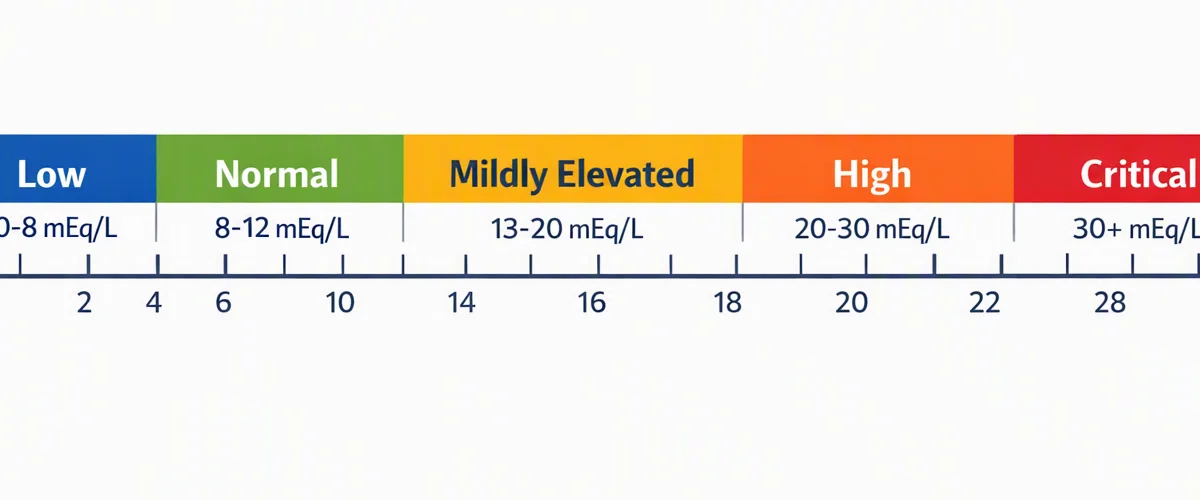
A elevated, typical, or reduced result all points in a different way. The significance varies on the lab range used by the lab and the patient’s overall clinical picture.
High anion gap metabolic acidosis indicates that more acids are present in the blood beyond the commonly measured electrolytes. This is often a sign to a greater underlying cause of metabolic acidosis, and it usually requires prompt evaluation.
A normal anion gap does not always mean everything is okay. In some cases, a person can still have normal anion gap metabolic acidosis, also called hyperchloremic metabolic acidosis. In that situation, bicarbonate is depleted or chloride rises in a way that keeps the calculated gap within the normal range.
A low anion gap is less common, but it can be significant. It may be related to low albumin, laboratory variation, excess unmeasured cations, or increased chloride relative to sodium. Because low values are unusual, they need a careful check of the lab test and the clinical context.
In practical use, the result should be read as an assessment tool rather than a final diagnosis. The calculation helps determine whether the acid-base status is likely to reflect excess acid, chloride loss, bicarbonate loss, or another electrolyte pattern.
Common Reasons of Unusual Anion Gap Results
Several conditions can lead to an unexpected result. A most recognized causes of high anion gap metabolic acidosis are those that increase unmeasured acids in the blood.
Lactate buildup is a common cause. It occurs when lactate accumulates faster than the body can clear it. This may happen in settings of reduced oxygen delivery, shock, severe illness, or impaired metabolism. Because lactate is not directly included in the formula, it raises the anion gap indirectly.
Ketoacidosis is another classic cause. When ketones accumulate, they act as unmeasured acids and raise the gap. This can occur in diabetes, prolonged fasting, alcohol-related states, or other conditions associated with increased ketone production. A clinician may compare the lab pattern with glucose, ketones, and symptoms to help confirm the diagnosis.
Kidney failure can also raise the gap because failing kidneys do not clear acid effectively. As acids accumulate, bicarbonate drops and the calculated difference may expand. In this setting, the anion gap becomes part of the workup of kidney-related metabolic acidosis.
Other abnormal results may suggest mixed processes. For example, a person can have both an elevated lactate and a chloride-related shift, which makes the interpretation more nuanced. That is why the anion gap should be used as a quick and helpful measure, not as a standalone diagnosis.
Whenever Serum Chloride Changes the Interpretation
Serum chloride has a central role in how the result is interpreted. Since chloride is directly subtracted in the formula, even a slight change can alter the final number. This is one reason serum chloride is so important in the Anion Gap Calculator.
Hyperchloremia can lower the anion gap by raising the negative side of the equation. This may happen when chloride rises to compensate for bicarbonate loss, especially in normal anion gap metabolic acidosis. In that situation, the chloride increase can make the result look less concerning than the underlying acid-base disorder actually is.
Hypochloremia can have the opposite effect by raising the calculated gap. When chloride is low, the formula may show a higher value even if the main issue is not excess acid. That is why chloride must be assessed alongside sodium and bicarbonate rather than in isolation.
A chloride shift can also influence interpretation. If the body retains or loses chloride in response to fluid changes, kidney handling, or acid-base compensation, the resulting pattern can hide or amplify the underlying disorder. Recognizing this shift helps avoid misreading an abnormal result.
In short, serum chloride is not just a number in the formula. It is often the main clue that explains why the calculation is high, normal, or low.
Using the Calculator In Steps
Using an anion gap calculator is easy if you begin with the right lab values. The process works well when all input values are sourced from the same electrolyte panel and are measured at the same time.
- Input the serum sodium value from the lab results.
- Add the serum chloride value.
- Input the serum bicarbonate value.
- Should the calculator permits it, include potassium for the alternate formula.
- See whether albumin correction is needed before reading the result.
After the values are entered, the calculator does the calculation and checks the answer with the expected reference range. If the value falls outside the range, the result is flagged as an abnormal result and should be reviewed in the context of the patient’s symptoms and other measurements.
A practical workflow is to think of the calculator as a first-pass screening step. It helps identify whether the acid-base disorder is likely to involve unmeasured acids, chloride changes, or bicarbonate loss. After that, the interpretation should be confirmed with related lab findings and the overall clinical picture.
Limitations & Clinical Considerations
Although the anion gap can be useful, it has notable limitations. One important concern is albumin level. Since albumin contributes to the normal gap, low albumin can conceal a clinically important problem. If albumin is not corrected, a serious acid-base disorder may be overlooked.
A blood gas can add important information, especially when the serum bicarbonate is abnormal or the diagnosis is unclear. The blood gas helps show whether there is true acidemia or alkalemia and can offer a fuller assessment of ventilation and buffering.
The main limitation is that the number must be interpreted in clinical context. The same lab pattern can mean very different things depending on symptoms, medication use, kidney function, fluid status, and whether the patient has a known acid-base disorder. For instance, a borderline elevated gap in a person with vomiting is not interpreted the same way as the same result in someone with shock or renal failure.
Other practical considerations include lab variation, differences in reference range between institutions, and the possibility of mixed disorders. A single calculation is useful, but it is not a final diagnosis. The best evaluation combines the anion gap, albumin, chloride, bicarbonate, and other serum values with the broader clinical picture.
Common Questions
What is considered a normal anion gap range?
The anion gap normal range depends on the laboratory and whether potassium is included in the formula. Many labs consider a value in the low to mid-teens to be normal, but the exact reference range should always be taken from the reporting lab. Because methods differ, comparing the result to the correct reference range is more reliable than using a single universal cutoff.
How is the anion gap calculated using serum chloride?
The formula is: serum sodium minus the sum of serum chloride and serum bicarbonate. In other words, Anion gap = Sodium − (Chloride + Bicarbonate). This calculation uses serum chloride directly, so changes in chloride can significantly affect the final answer.
What makes albumin correction important to consider in anion gap interpretation?
Albumin adjustment matters because albumin is a key unmeasured anion. If the albumin level is decreased, the anion gap may appear unchanged or smaller even when an underlying acid-base disorder is present. Correcting for albumin improves the precision of the assessment and helps detect a hidden abnormal result.
What can a high anion gap usually mean?
A high result usually points to high anion gap metabolic acidosis. Common causes include lactic acidosis, ketoacidosis, and renal failure. These conditions add unmeasured acids in the blood, which raises the gap and suggests the need for further evaluation.
Can a normal anion gap still indicate metabolic acidosis?
Yes. A normal anion gap can still occur in normal anion gap metabolic acidosis. In that situation, bicarbonate is often lost and chloride rises to keep the gap within the reference range. This is why serum chloride, bicarbonate, and the overall clinical context matter so much in interpretation.